

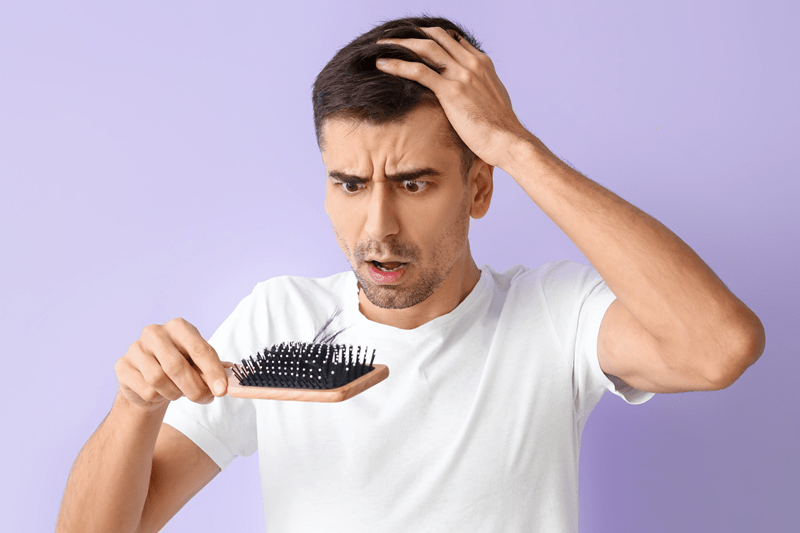
Hair loss has a way of sneaking up on you. One day, the mirror looks normal, and a few months later, the hairline feels unfamiliar. Genetics often gets the blame, and sure, they matter. But diet, especially protein intake, plays a much bigger role than most men realize. Protein fuels muscle, strength, and recovery, but it also quietly supports hair growth, texture, and resilience. This article breaks down the real relationship between Protein and Hair Loss, explains how protein deficiency hair problems begin, and shows how amino acids, daily habits, and realistic nutrition choices affect protein hair health. Let me explain how it all fits together without overcomplicating things.
Before getting into nutrients and numbers, it helps to understand why protein and hair loss are so closely tied. Hair might feel cosmetic, but biologically, it’s serious business.
Hair strands are made mostly of keratin, a protein built from amino acids. When your body doesn’t get enough protein, it starts prioritizing. Vital organs win. Hair quietly loses.
Think of it like a household budget. When money gets tight, you pay rent and utilities first. Hair growth is more like a streaming subscription. It gets paused without much warning.
This is why sudden shedding can happen after illness, extreme dieting, or long stretches of poor eating. The body is being practical, not cruel.
Protein-related hair loss doesn’t usually hit overnight. It creeps in. You might notice more hair in the shower drain, thinner ponytails, or strands that feel weaker.
Here’s the tricky part. By the time shedding becomes obvious, the nutritional gap may have started months earlier. Hair works on a delay, which makes cause and effect harder to spot.
Protein deficiency hair issues don’t always look dramatic at first. That’s why many guys miss the signs until frustration sets in.
You don’t need to be starving to fall short on protein. Busy schedules, skipped meals, or carb-heavy convenience foods can quietly push intake too low.
Common signs include
Honestly, hair and nails often wave the first red flag before anything else does.
Here’s a mild contradiction worth explaining. Many men eat more protein than ever, yet protein deficiency hair issues still happen. How? Extreme calorie cuts.
If calories drop too low, the body can’t use protein efficiently. Even a high-protein diet won’t help if overall intake is too restrictive. That’s why aggressive cutting phases or trendy resets sometimes backfire.
Once protein enters your system, it gets broken down into amino acids. These tiny compounds do the real work behind the scenes.
Certain amino acids play a larger role in hair structure and growth. Cysteine supports keratin strength. Methionine helps with hair thickness. Lysine supports iron absorption, which indirectly helps hair follicles.
You don’t need to memorize them, but variety matters. Different protein sources bring different amino acid profiles to the table.
Whole foods tend to cover amino acids better than supplements alone. Eggs, Greek yogurt, chicken, salmon, lentils, and beans all contribute in slightly different ways.
You know what? This is where food quality quietly matters. Highly processed protein bars may hit numbers, but they often lack the broader nutrient support hair needs.
The phrase high protein diet gets tossed around a lot, and not always accurately. More protein doesn’t automatically mean better hair.
If you’re currently under-eating protein, increasing intake can absolutely support hair recovery. But once needs are met, piling on extra products won’t magically thicken hair.
Hair growth also depends on energy, micronutrients, sleep, and stress levels. Protein can’t work alone.
There’s a seasonal angle here. Around summer, cutting phases and beach goals ramp up. Protein intake often rises, but carbs and fats drop too low.
Hair follicles need fuel, not just building blocks. Balanced meals help protein do its job instead of sitting unused.
Protein requirements for men often come from fitness circles, not everyday health needs. Hair sits somewhere in between.
For most adult men in the US, daily protein needs fall roughly between 0.6 and 0.8 grams per pound of lean body mass for active individuals. Sedentary men may need slightly less.
What matters more than the exact number is consistency. Spreading protein across meals supports steady amino acid availability, which hair prefers.
Protein needs shift with age. Men over 40 often process protein less efficiently, meaning slightly higher intake helps maintain muscle and protein hair health.
Stress also plays a role. Chronic stress increases nutrient demand while lowering absorption. It’s unfair, but real.
Diet sets the foundation, but hair health reflects lifestyle too. Protein works best when the rest of your habits cooperate.
Poor sleep disrupts growth cycles. High stress pushes hair follicles into resting phases. Even with perfect protein intake, these factors can stall results.
Here’s the thing. Hair doesn’t respond well to pressure. The harder you stress about it, the worse it often gets.
Protein powders can help fill gaps, especially for busy schedules. Whey, plant blends, and collagen all have a place, but none replace meals entirely.
Hair regrowth takes time. Expect months, not weeks. Patience is frustrating, but it’s part of the process.
Protein doesn’t work in isolation. Without enough water, iron, zinc, and vitamins like biotin and vitamin D, protein can’t fully support hair growth.
Dehydration alone can make hair look dull and fragile, even when protein intake is solid.
Protein and hair loss aren’t connected in a dramatic, overnight way. The link is subtle, slow, and deeply biological. Hair reflects how well the body feels supported over time. Adequate protein, balanced meals, enough calories, and realistic expectations create the conditions hair needs to stick around. Genetics still matter, but nutrition often decides how loudly they speak. When protein hair health is supported consistently, hair doesn’t just grow. It holds on better.
Yes. Protein deficiency hair shedding often appears a few months after intake drops. The delay makes it feel sudden even when it’s not.
A high protein diet helps only if protein was low before. Hair loss still depends on calories, stress, and overall nutrition.
Amino acids for hair work best when they come from whole foods. Supplements help, but they shouldn’t replace meals.
Most men notice reduced shedding in three to six months. Regrowth takes longer and varies by individual.
This content was created by AI