


When someone experiences gradual and continuous hair loss, it is often difficult to understand the cause of that loss. Most people will say that stress or products like shampoos cause hair loss; however, they are really not aware that they are experiencing hair loss due to a lack of iron in the body. Hair requires oxygen and nutrients for growth, and iron is the most critical mineral for hair growth. When an individual has low iron levels in their body, the hair follicles will not receive enough nutrients (nutrition) due to the lack of blood supply, therefore causing their hair to shed more than usual. For this reason, we will provide you with a brief explanation of what iron deficiency hair loss is and how we can explain the issue in an easy-to-understand way.
Iron deficiency Hair loss occurs when the body lacks sufficient iron to support regular hair growth cycles. Iron helps red blood cells carry oxygen. Hair follicles depend on that oxygen to stay active. When iron levels are low, the body redirects energy to more vital organs, such as the heart and brain. Hair becomes an afterthought, and growth quietly slows.
Unlike patchy hair loss, this type usually causes even thinning across the scalp. The hair may feel weaker, look dull, and break more easily. Over time, more hair enters the resting phase instead of the growth phase. This leads to increased shedding, which appears on pillows, shower drains, and brushes.
Iron Deficiency Hair loss often develops gradually, which is why many people miss the early signs.
Anemia and hair problems are closely connected. Anemia occurs when iron levels drop so low that the blood cannot carry enough oxygen. Hair follicles suffer quickly under these conditions. Growth slows down, and shedding increases.
Common signs that anemia and hair loss may be linked include
Not everyone with iron deficiency hair loss has full anemia, but anemia and hair issues often appear together. This is why proper testing matters instead of guessing.
Ferritin levels, which hair specialists focus on, tell how much iron the body has stored. Ferritin acts like a reserve tank for iron. Even if basic iron levels appear normal, low ferritin levels can still impact hair.
Hair growth requires higher ferritin levels than what the body needs just to function. When ferritin levels drop, hair health is compromised, and hair enters the shedding phase earlier than it should. This leads to thinning without noticeable bald spots, which can be confusing for many people.
Low ferritin levels are one of the most common findings in individuals with iron deficiency hair loss. Raising ferritin levels often leads to increased hair growth and reduced shedding over time.
Blood work for hair loss gives clear answers and prevents wrong treatment. Hair loss can result from hormonal imbalances, genetics, stress, or nutritional deficiencies. Testing helps narrow it down.
Blood work for hair concerns often includes
This testing helps confirm whether iron deficiency hair loss is the real cause. It also prevents unnecessary iron supplement dosage mistakes. Excessive iron intake can be harmful, so blood work for hair health is a smart first step.
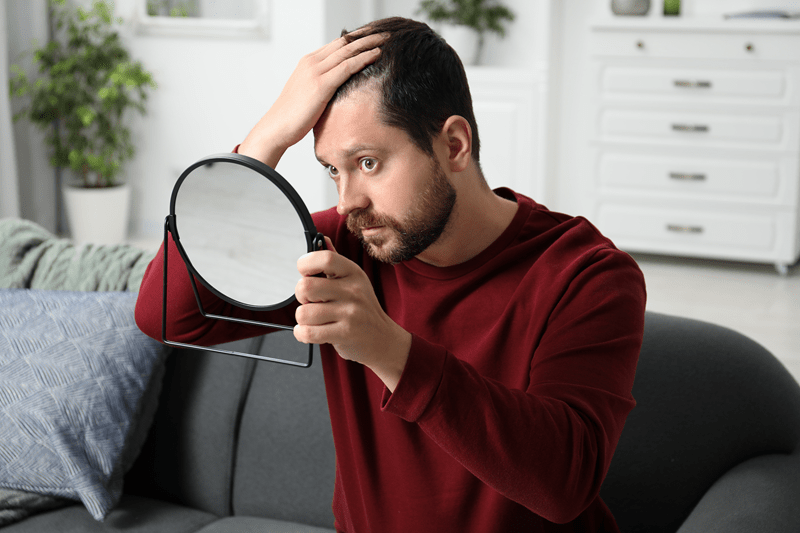
Iron-rich foods that men eat regularly can help naturally restore iron levels. Many men believe iron deficiency only affects women, but that is not true. Poor diet choices, intense workouts, or digestive issues can also lower iron levels in men.
Helpful iron-rich foods men should include more often are
Iron from animal sources absorbs more easily than plant iron. Pairing plant-based iron-rich foods men eat with vitamin C, like oranges or bell peppers, improves absorption. Small dietary changes can support recovery, especially in cases of mild deficiency.
Blood test results should always guide the dosage of iron supplements. Taking iron without knowing your levels can cause stomach pain, constipation, and long-term organ damage.
The iron supplement dosage varies based on the severity of iron deficiency. Some individuals require a low daily dose, while others need higher doses for a short period. Doctors usually adjust the iron supplement dosage after reviewing blood work for hair loss.
Helpful tips when taking iron supplements include
The iron supplement dosage is rarely permanent. Once ferritin levels improve, hair growth may depend on food alone to maintain balance.
Iron Deficiency Hair loss does not reverse quickly. Hair grows slowly, and follicles need time to restart healthy cycles. Most people first notice a reduction in shedding after a few weeks of treatment. Visible regrowth takes longer.
Early signs of improvement include
Complete recovery may take several months. What this really means is consistency matters. Stopping treatment too early often leads to relapse.
Iron is not the only factor in hair health. Stress, sleep, and overall nutrition also play a significant role. Even with proper iron supplement dosage, poor habits can slow progress.
Common issues that delay improvement include
Addressing Iron Deficiency Hair loss treatment works best when lifestyle support is included. Balanced meals, gentle hair care, and stress control all play a role.
Evaluation is warranted for individuals experiencing hair loss that has persisted for more than a 3-month period, particularly in cases of sudden and/or excessive hair loss. Testing will help a provider identify the cause and develop a safe and effective treatment plan.
Treating yourself without undergoing laboratory testing poses several risks. Therefore, seeking professional help to ensure the health of your hair is essential.
Loss of hair due to iron deficiency can start very slowly and eventually lead to enormous distress. When you begin testing your ferritin levels, you gain a better understanding of hair growth. It is also essential to consume iron-rich foods, take the right amounts of iron supplements, and be patient during your recovery. When you take care of both your anemia and your hair, it promotes restoration and supports healthy, normal hair growth.
Yes, absolutely. You can have low ferritin levels (which can affect hair) without yet being anemic. This is why checking ferritin specifically is so essential for hair loss.
Focus on heme iron sources like lean red meat and poultry for efficient absorption, and pair plant-based iron like spinach or lentils with vitamin C-rich foods like oranges or strawberries to boost uptake.
Hair shedding may continue for 2-3 months as your cycle normalizes. Most people see a reduction in shedding and notice new growth after about 4-6 months of consistent, adequate iron levels.
Some people experience constipation, nausea, or stomach upset. Taking your supplement with a small amount of food can help, and your doctor can advise on the best type and dosage to minimize issues.
This content was created by AI