

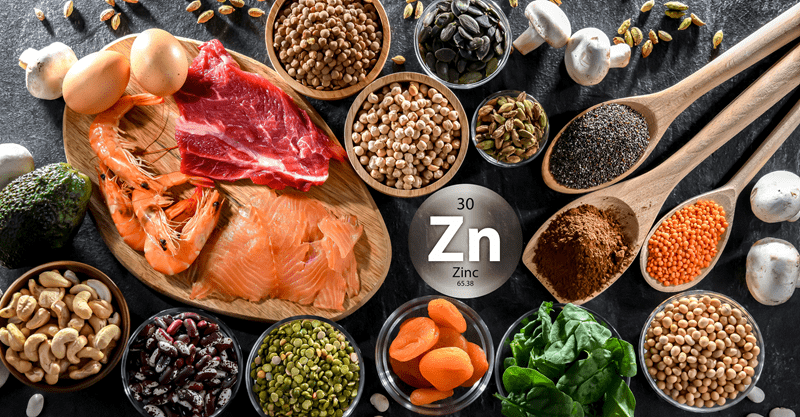
Shedding and thinning of hair are common issues in every nook and corner of the United States and occur in both men and women during various stages of life. Although genetics, stress, and hormonal changes are commonly held responsible for this condition, another factor of equal relevance is nutritional deficiencies. One element that is extremely effective yet underrated for its use in hair growth is zinc.
Zinc is far from just another supplement fad. In fact, zinc is an extremely important trace mineral that plays many key roles in the body, including cell growth, immune function, and protein synthesis. Since hair follicles contain some of the fastest-growing cells in the human body, hair is very susceptible to zinc. If zinc is not sufficiently ingested, hair is one of the first places to be affected by zinc deficiency hair loss. Here is a glimpse of how zinc benefits scalp via zinc rich foods.
Zinc plays a role in many biological processes within the body, some of which are directly related to hair. Everything from the integrity of hair follicles to the regulation of oily scalp functions falls under the umbrella of what zinc does.
Hair consists mainly of keratin, a protein that needs zinc for proper formation. Ineffective production of keratin happens if a person lacks zinc in this regard, resulting in weak hair, breakage, and eventual shedding. This explains why Zinc for hair growth is sometimes associated with hair strength and not just hair length.
It also has functions in the synthesis of DNA and RNA, which are important for cell division and regeneration in the hair follicle. With a deficiency in zinc, the hair follicle goes into the rest stage of the hair growth cycle too early; thus, the number of daily hair sheddings increases.
The link between zinc and reduced shedding is complex. Excess shedding of hair occurs when the hair follicles are compromised, inflamed, or lacking in nutrients. Zinc benefits scalp and prevents all three.
One of the ways through which the connection between nutrition and shedding can be established is through the shedding of hair caused by a lack of zinc. Even a mild deficiency of zinc in the body causes increased shedding of hair, along with reduced shine and slower growth.
Higher risk groups for zinc deficiency hair loss include elderly Americans, people with gastrointestinal problems, vegetarian Americans, and Americans who maintain extremely restricted dietary lifestyles. Active males might also have higher zinc needs based on increased zinc losses through perspiration.
A lack of zinc may also cause related symptoms of hair loss, accompanied by other conditions like brittle nails, a weakened immune system, poor wound recovery, and fatigue. Since such symptoms can be less apparent, individuals may seek treatment using external solutions for their problem of hair loss, ignoring the fact that the problem is rooted within.
While it will not cause overnight hair regrowth, zinc supplementation is able to reduce shedding, helping to encourage the regrowth of healthier hair.
Zinc helps maintain skin cell regeneration. This is crucial because these problems can sometimes impair the function of the follicles and reduce hair roots. Another benefit of zinc is that it acts as an antimicrobial agent for skin balance.
The next important factor about the advantages of zinc for scalp health is that it also prevents inflammation. The scalp can get inflamed, which can lead to issues with the growth of your hair, including thinning. It promotes the reduction of scalp irritation. It ensures a clean, well-balanced, and well-nourished scalp environment, giving way to a healthy growth of hair.
Eating zinc rich foods is also beneficial for the hair, immune system, skin repair, and hormonal balance. Having a balanced diet is still the cornerstone for growing strong hair.
In some situations, zinc from the diet may not be sufficient. It is here that zinc supplements for men and women can help. The supplements will be most beneficial for people who have problems with zinc absorption in the body.
There are different versions of zinc supplements, which include Zinc gluconate, zinc citrate, and zinc picolinate. Such supplements are often incorporated into multivitamins or hair supplements. The supplements for men that are made from zinc are sometimes blended with another nutrient, for example, biotin or magnesium.
Though supplements can work well for you, it is also true that too much is too redundant for your body. In case you ingest too much zinc, it may hinder other minerals, such as copper. For this reason, you should not consider taking any zinc supplements beyond your prescribed intake.
Hair does not depend on zinc alone for proper function. Rather, it depends on a complex system of nutrients. Zinc is integral to this system because it helps to maintain mineral hair health.
The metals that zinc works in combination with are iron, copper, selenium, and magnesium. The metals work better when zinc is well-regulated. The combination of these metals is indispensable in maintaining hair density, elasticity, and luster.

Although individuals are encouraged to maintain good zinc levels, certain groups of people may see more dramatic benefits by taking a more targeted approach to zinc supplements for hair growth.
It is essential that expectations be kept realistic. Zinc for hair growth is most effective in addressing hair loss caused by nutritional deficiencies, scalp inflammation, and mineral imbalances.
Zinc alone does not have the ability to treat genetic hair loss or hormonal pattern baldness. Yet, in both instances, the use of zinc helps prevent its progression, as it promotes a healthy scalp and robust hair follicles.
When the condition of zinc deficiency-related hair loss is appropriately treated, improvement will be noticed. It should be remembered, however, that hair growth has patterns; time will be required to see results.
Zinc plays a crucial role in maintaining the health of your locks, which is indicative of overall body balance, and is sustained with the helpful use of zinc. From reducing excessive shedding to maintaining scalp health, Zinc for hair growth is integral to overall hair care solutions.
By incorporating a diet of zinc rich foods, being aware of the signs of hair loss in relation to a zinc deficiency, and supplementing when necessary, a person can do their part in maintaining a healthy level of minerals in the hair. This can be achieved through a diet or a well-educated supplement to the diet regarding the use of zinc. When it comes to minimizing the amount of shedding and promoting growth, zinc is not a magic bullet— but it is a potent and proven tool that your hair needs. The information provided in this article is for general informational purposes only and is not intended as medical advice. Nutritional needs and hair loss conditions may vary by individual. Always consult a qualified healthcare professional before starting any supplement or making significant dietary changes.
In cases where hair loss is caused by zinc deficiency, improvements regarding shedding should begin to appear after 4 to 8 weeks with sufficient zinc. However, the physical growth of hair should take 3 to 6 months because hair growth is cyclical. The regular intake of zinc for hair growth is necessary. However, zinc for hair growth can be consumed either from zinc rich foods or from supplements.
Zinc supplements can be helpful in shedding hair loss conditions related to zinc deficiency and poor scalp health. But zinc supplements and zinc hair growth will not totally stop shedding growth related to genetics and medical conditions. Herein, zinc continues to contribute to zinc benefits and hair health since zinc health remains vital in healthy hair.
Yes, the supplements that men take are safe when taken in recommended daily amounts. A high dose must not be taken for an extended period of time because this will lead to disturbances in mineral hair health, which will then cause disruptions in copper assimilation.
This content was created by AI