

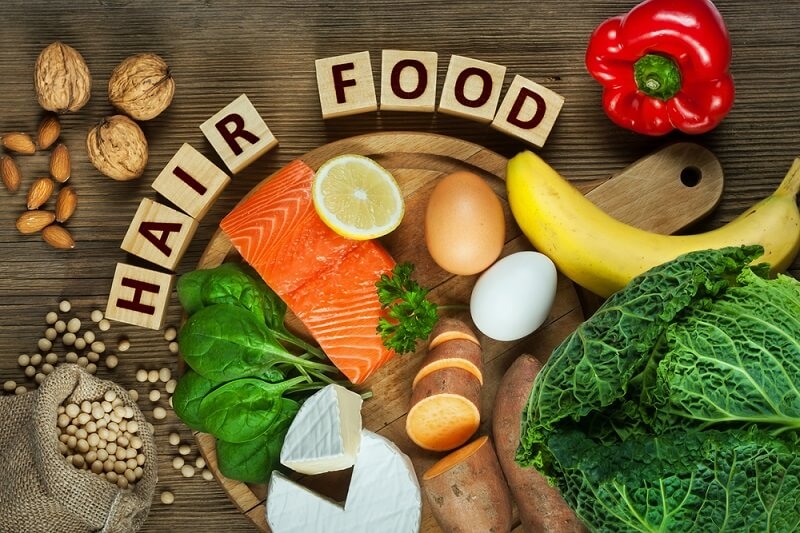
Hair does not grow from products alone. It grows from what the body gets every day. The best diet for hair growth plays a bigger role than most people expect. Within the first steps, hair growth foods, nutrition for healthy hair, and diet and hair loss all connect in ways that feel simple once explained. Here’s the thing. Hair is made from protein and supported by vitamins and minerals. When meals miss those basics, hair pays the price. Let’s break it down clearly and honestly.
The Best Diet for Hair Growth helps hair follicles stay active and strong. Hair grows in cycles, and each cycle needs steady fuel. When nutrition drops, hair growth slows or shedding increases. This is where diet and hair loss often overlap.
Nutrition for healthy hair supports the scalp, promotes blood flow, and strengthens follicles. Without the proper nutrients, hair becomes thin, dry, or brittle. Eating well does not promise instant results, but it builds long-term support that hair depends on.
Diet and hair loss are closely linked, even if hair loss looks sudden. Hair reacts to changes from months earlier. A poor diet today may show hair thinning later.
Every day, diet-related triggers include
Diet and hair loss often show up as diffuse thinning rather than patches. Adopting healthy food habits helps prevent further damage and supports regrowth.
Hair growth foods provide the building blocks for keratin, the primary protein in hair. These foods support both growth and thickness.
Helpful hair growth foods include
Hair growth foods are most effective when consumed regularly. One healthy meal cannot undo months of poor eating, but steady habits make change possible.

Nutrition for healthy hair always begins with protein. Hair strands are mostly protein, so shortages show fast.
Protein-rich choices include
Eating for thick hair requires a sufficient amount of protein spread across meals. Skipping protein early in the day often leaves hair undernourished by night.
Vitamins support hair growth cycles and scalp health. They do not work alone, but they matter.
Key vitamins linked to nutrition for healthy hair include
Hair-boosting meals often include fruits, vegetables, and whole grains that naturally supply these vitamins.
Minerals help move oxygen and nutrients to hair follicles. When levels drop, hair growth slows.
Essential minerals for eating for thick hair include
Low iron is a common cause of diet and hair loss. Balanced meals help maintain healthy levels over time.
Eating for thick hair is not about one magic food. Balance matters more.
A balanced plate often includes
Hair-boosting meals support stable blood sugar and steady nutrient flow. Skipping meals or eating only processed food leaves hair underfed.
Hair-boosting meals do not need to be fancy. Simple combinations work well.
Examples of hair-boosting meals include
These meals provide a balanced combination of protein, fats, and vitamins in one sitting. Consistency matters more than variety alone.
Water supports the very nutrients to the scalp. Dehydration affects hair texture and shine.
Drinking enough water helps
Hydration works in conjunction with the Best Diet for Hair Growth, not as a replacement.
Healthy fats protect hair shafts and scalp moisture. They also help absorb vitamins.
Good fat sources include
Hair growth foods with healthy fats support shine and strength without weighing hair down.
Some foods may exacerbate diet and hair loss when consumed frequently.
These include
These foods reduce nutrient absorption and increase inflammation. Limiting them supports natural nutrition for healthy hair.
Food should come first. Supplements may be beneficial only when deficiencies are present.
Best Diet for Hair Growth focuses on meals, not pills. Taking too many supplements without guidance can cause an imbalance. Whole foods provide nutrients in forms that hair uses better.
Sometimes, hair sheds more than usual. While stress and health issues can contribute to this, your diet plays a significant role. Crash diets or very low-calorie plans often lack protein and key minerals. This can shock your system and cause hair follicles to enter a resting phase. After a few months, you might see a lot more hair falling out when you brush or shower.
The fix is usually returning to a balanced, nutrient-rich diet for hair growth. It takes patience, though. Hair grows slowly, about half an inch per month. Improvements from eating for thick hair may take three to six months to become visible. Consistency is your most excellent tool here.
Hair growth is slow. Diet changes take time to show visible results.
Most people notice
What this really means is that patience matters. Hair-boosting meals support future growth, not overnight change.
Diet supports hair from the inside. Gentle hair care protects it on the outside.
Helpful habits include
The best diet for hair growth works best in conjunction with gentle daily care.
The Best Diet for Hair Growth supports strong roots through a combination of hair growth-boosting foods and balanced meals. A healthy diet for hair promotes nutrition and reduces hair loss over time. Eating for healthy hair requires patience, a balanced diet rich in protein, and consistent habits. Hair-boosting meals build results slowly but last longer.
Hair grows slowly, so allow at least 3 to 6 months of consistent, healthy eating before noticing noticeable changes in length and thickness.
Nutrition supports the hair you have and can optimize growth, but it cannot override strong genetic patterns. A good diet is the essential foundation for your hair's health, regardless of genetics.
Biotin helps only if you are deficient, which is rare. A balanced diet usually provides enough. Focusing on overall protein, iron, zinc, and vitamin intake is often more effective than a single supplement.
Yes. Hydration is vital for a healthy scalp environment. Dehydration can cause hair to become dry, brittle, and more prone to breakage.
This content was created by AI