

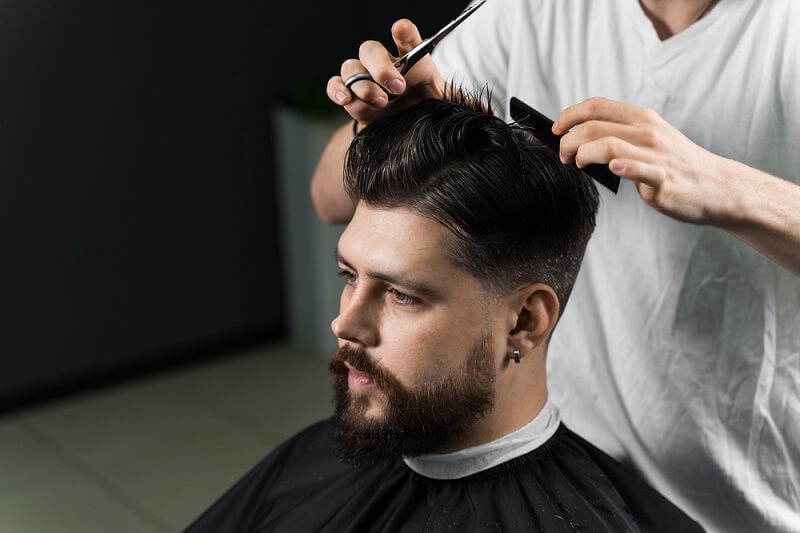
This fade haircut guide explains what a fade haircut is and why it stays popular with men who want a clean look. A fade haircut blends the hair smoothly on the sides and back. It creates a sharp finish that feels controlled and neat.
This blog will explain to you the different types of fade haircuts and the fade vs taper difference. It will help you to cover the different fade haircut maintenance tips.
Fade haircuts remain popular because they look tidy without looking forced. The gradual blend on the sides creates a clean outline. It does not feel heavy or messy. Men like that balance, especially for daily work and routine life.
Another reason is comfort. A fade haircut keeps the sides light and breathable. This makes it easier to manage during long days. With basic fade haircut maintenance, the style stays presentable even when it grows slightly. This reliability matters a lot to many men.
Fade haircuts also suit different lifestyles. They work for office hours, travel days, and family events. The haircut adjusts well to clothing styles and grooming habits. This flexibility is a big reason behind its lasting popularity.
This section explains the main types of fade haircuts clearly and simply. Each type starts the fade at a different height. This single change creates a different look and feel for each style.
A low fade haircut starts just above the ears and neckline. The fade remains subtle and blends slowly upward. This keeps most of the side hair visible. Among all types of fade haircuts, this style feels calm and controlled.
Men often choose this option for professional environments. The haircut does not look loud or extreme. It grows evenly and stays neat for a longer time. That makes it easier to handle daily grooming.
A mid fade begins between the ear and the temple. It creates a clear but balanced contrast. The sides look clean, while the top still has presence. Many men see this as a safe middle choice.
This style fits both formal and casual settings. It works well with short or medium hair on top. Among modern types of fade haircuts, the mid fade offers balance without overdoing the look.
High fade styles start near the temples and drop quickly toward the skin. The sides appear very short and sharp. This creates a strong outline that stands out clearly.
Men who prefer a bold appearance often choose high fade styles. The haircut draws attention to the face and head shape. It feels modern and confident, but needs regular fade haircut maintenance.
A skin fade blends hair down to bare skin at the bottom. It creates a crisp and very clean finish. This style looks sharp immediately after a trim.
However, skin fades require more upkeep. As hair grows, the contrast becomes noticeable. Regular fade haircut maintenance is important to keep the style looking fresh and controlled.
This section explains the fade vs taper difference in simple terms. Both haircuts look neat, but they behave differently as they grow. Understanding the fade vs taper difference helps men make a better choice.
The main fade vs taper difference is the blend length. A fade blends hair down to very short or skin level. A taper reduces length slowly but keeps hair visible. This affects how sharp the haircut appears.
Fades create a bold and defined outline. Tapers feel softer and more natural. This fade vs taper difference matters for men who want a strong look or a relaxed one.
Fade haircuts show growth faster and need regular trims. Tapers grow evenly and stay presentable longer. This fade vs taper difference helps men with busy schedules.
Fades match modern and trend-focused styles. Tapers suit classic and formal looks. This fade vs taper difference affects how the haircut fits daily clothing.
Fades highlight facial lines and jaw structure. Tapers keep a natural balance. Knowing this fade vs taper difference helps match the haircut to facial features.
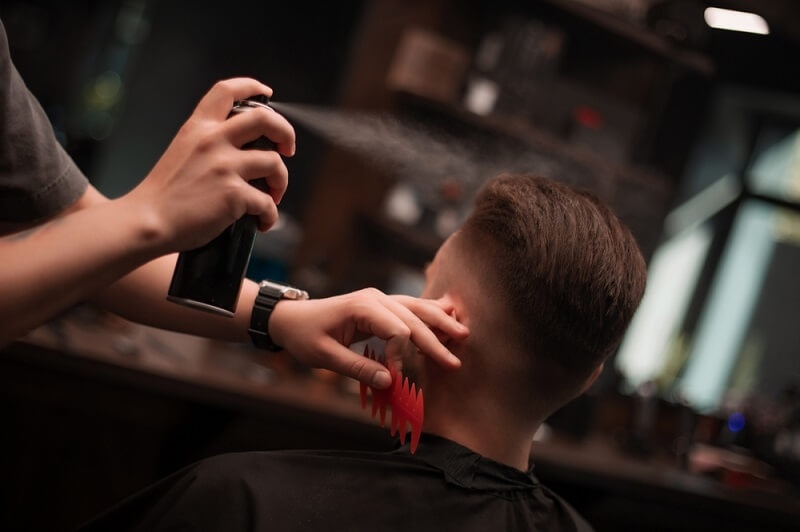
The low fade haircut is known for its subtle finish. These features explain why it remains a preferred choice for everyday grooming.
A low fade haircut keeps the fade close to the neckline. It does not pull attention away from the face. This makes it suitable for professional and formal spaces.
Hair grows evenly with a low fade haircut. There are no sharp lines as time passes. This makes fade haircut maintenance easier and less stressful.
The low fade haircut suits young men and older professionals. It looks neat without appearing too trendy. This balance helps the style stay relevant.
The low fade haircut works with many top styles. Men can keep the top short or slightly longer. Daily styling remains simple and quick.
High fade styles are chosen for their sharp and modern look. These benefits explain why they attract attention.
High fade styles quickly remove bulk from the sides. This creates a sharp outline, and the haircut looks defined even from a distance.
High fade styles bring focus to facial structure. Jawlines and cheekbones appear more defined. This adds confidence to the overall appearance.
High fade styles reduce side volume. This makes thick hair easier to manage. It also improves comfort during daily routines.
High fade styles match current grooming trends. They suit casual outfits and social gatherings. Many men prefer them for a bold image.
Fade haircut maintenance keeps the haircut clean and structured. Regular trims every few weeks help maintain the blend. Skipping trims can make the fade lose shape.
Washing hair regularly removes buildup. Clean hair shows the fade clearly. Using light styling products helps avoid greasy sides. Simple fade haircut maintenance keeps the look sharp for longer.
This fade haircut guide explained different fade styles, the fade vs taper difference, and care routines. It covered low fade haircut features, high fade styles, and fade haircut maintenance basics. With the right choice and simple upkeep, men can maintain a clean and sharp look that fits daily life.
Most fade haircuts need trimming every three to four weeks for a clean look.
Yes, the low fade haircut looks subtle and works well in professional settings.
A fade blends into very short hair, while a taper keeps gradual length.
This content was created by AI