

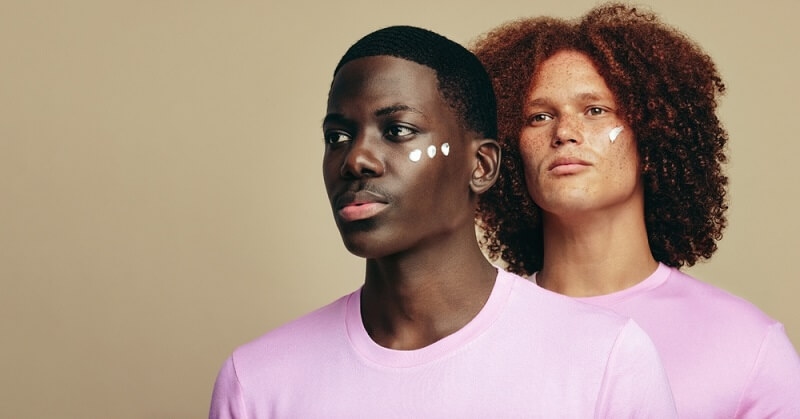
When it comes to healthy, great-looking hair, there is no one-size-fits-all option. Factors such as climate, lifestyle, and genetics can influence hair type, but the most determining characteristic of hair type remains its texture. For many men and women in the U.S., following hair recommendations for another type would result in dry, brittle, or dull-looking hair. Whether you're looking for curly hair care men to add to your grooming routine, a straight hair routine, or ways to improve your wavy hair care, the following hair care by hair type tips are your perfect guide.
Texture influences the movement of the oil from the scalp, the tangling of the locks, and styleability. Hair care based on the type of hair is thus imperative, as opposed to the modern way. In the US, the change of seasons, whether dry or wet, makes personal care more pronounced.
The wrong shampoo and/or styling techniques can strip hair of moisture, weigh it down, and cause frizz. By taking care of hair according to type, you promote healthy scalps, reduce damage, and play to your natural texture rather than against it.
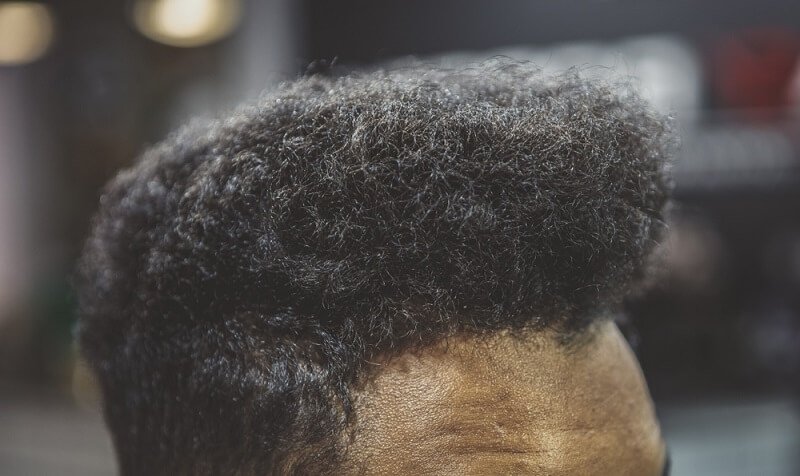
Curls tend to bend and twist, making it difficult for the natural oils in hair to travel down. This is why hydration is a basis of curly hair care men’s routines. It’s also a basis of curly hair care for all people.
Daily & weekly cleaning:
A routine for curly hair care men should start with cleaning. Curly hair needs to be washed only two to three times each week. A mild leave-in conditioner can then be applied. There is a right way to take care of curls, which depends on the type of curls that a person has.
Styling & maintenance:
Curly hair care products like styling cream and curl enhancers are better alternatives than curl gels containing alcohol.
People with straight hair tend to have sleek-looking hair, but the problem can be oily, flat-looking hair. Achieving a nice balance of cleanliness without over-shampooing your hair can be a good tactic for someone with straight hair.
Cleansing and conditioning:
A good, straight hair routine involves washing your hair every other day with light shampoo. Over-conditioning your hair can make it weigh. The conditioner should concentrate on your mid-lengths and ends.
In terms of hair care specific to each type of hair, for straight hair, the simple routine is essential. Using clarifying shampoo once a month will help to remove styling product buildup and heavy water minerals found in many urban areas of the United States.
Styling smart:
If you stick to the proper care and styling techniques of a straight hair routine on straight hair, it will remain full of movement and volume without appearing limp.
Wavy hair is the middle option between straight and curly hair and is therefore the most versatile texture for hair, and also considered the most difficult type. Selecting the right products for wavy hair is crucial.
Washing and conditioning:
In hair care for people with wavy hair, washing two to three times a week is most appropriate. It would be best to opt for moisturizing shampoos that don’t weigh down the hair if it has natural volume.
Styling:
The products to use for wavy hair on the right side of the spectrum include curl creams, mousse, and lightweight gels.
If done properly, hair care for different types of hair will give a natural look to wavy hair.
While thick hair can be a blessing in disguise, it is also very important to take proper thick hair. If not properly cared for, thick hair can become unmanageable.
Cleaning and hydrating:
Rich shampoo and conditioners are necessary for thick hair. It is also a good idea to apply oils to the hair or hair masks once a week.
Long-term maintenance:
Fine hairs have a small diameter; thus, they can break and end up being oily. Adhering to the correct tips for fine hairs promotes fullness without stressing the hairs.
When following proper hair care based on hair type, fine hair will look denser and healthier.
Texture alone is not important. Consistency is key. Hair care for different types of hair is most effective if your regimen is suited to your lifestyle and surroundings. Busy executives and athletes, for instance, require different degrees of care.
In America, water quality, climate changes, and regular activities like commuting or physical exercise impact hair. Personalizing your hair care based on hair type will help you maintain your routine effectively.
Even with the very best of intentions, many individuals have made errors that upset the following hair types:
If you are refining your routine on straight hair, trying wave styling products on wavy hair, or applying tips for fine hair, the following are just a few common mistakes you should avoid.
By following hair care by hair type tips, rather than fighting the natural pattern of your hair, you can achieve healthy-looking hair. from curly hair care to thick hair care, proper care leads to healthy-looking hair. Regardless of your texture, it is essential to choose the right products, methods, and practices to achieve positive results in the long run. When the right practices related to hair care according to your type become a part of your daily lifestyle, achieving great-looking hair is not only possible but also quite easy.
One of the most effective ways to start a good hair care routine for your type of hair is to determine your natural hair type when your hair is clean and has no products in it. Once this is determined, you should use hair products for your hair type and see how your hair reacts to it for a period of time.
Yes, many people can have a mixed type with wavy hair, fine strands, and curly hair in humid environments. In these scenarios, following hair care according to your type can be done in a mixed manner by using light hair products for fine hair tips while styling with wavy hair products, or by following straight hair care with a moisture boost if it feels dry in certain spots.
Every individual should modify their hairstyle routine according to the season and personal changes. For instance, wavy hairstyles during summer may differ from wavy hairstyles during winter or thick hairstyles. Curly hairstyles suggested for men may differ during summer and winter. An individual should keep varying their hairstyle routines every few months. Doing this will help an individual keep their hairstyles healthy and updated.
This content was created by AI