


Hair loss often starts quietly and then suddenly feels impossible to ignore. Hair loss in men is one of the most common concerns tied to appearance and confidence, yet many facts around it remain misunderstood. With the first signs, male pattern baldness, genetic hair loss, and other causes of hair thinning begin to take effect under the surface. Here’s the thing. Spotting early signs of hair loss and understanding the causes of balding gives you better control over what happens next. This guide explains the whole picture in simple terms that actually make sense.
Men's hair loss is characterized by thinning hair on the head, which can happen rapidly or slowly. The thinning starts at different locations, including the hairline, crown, or across the top of the head. Some men may lose hair gradually over many years, while others may experience dramatic changes within just a couple of years. In all cases, the scalp has thousands of hair follicles that produce new strands of hair in cycles. Disrupting the cycle results in thinner, shorter, weaker strands.
The most common type of men's hair thinning is known as "male pattern baldness," but there are many different patterns of hair thinning in men. Other causes of men's hair thinning include hormonal changes, heredity (genetics), and external factors (such as diet and physical activity). Knowing which cause applies to you helps to alleviate confusion and reduce your stress levels.
Male pattern baldness is the leading cause of hair loss in men. It follows a predictable pattern that often starts with a receding hairline or thinning crown. Over time, these areas may connect.
This condition is driven by genetic hair loss and hormone sensitivity. Specific hair follicles react strongly to a hormone byproduct, which causes them to shrink. As follicles shrink, hair grows finer until growth stops.
Standard features of male pattern baldness include
Male pattern baldness progresses at different speeds. Some men notice changes in their twenties, while others see them later in life.
Early signs of hair loss often appear before noticeable thinning. Many men ignore these signs, thinking they are a regular part of shedding.
Watch for early hair loss signs such as
Catching early signs of hair loss matters because action is more effective before follicles shut down completely. Once a follicle stops producing hair, reversal becomes harder.
Genetic hair loss plays a significant role in male hair loss. Hair traits are inherited from both sides of the family, not just one parent. This is where many people get confused.
Genetic hair loss does not guarantee hair loss, but it increases the likelihood. Hormones activate the genetic pattern over time. If close relatives experienced male pattern baldness, the risk rises.
Key points about genetic hair loss include
Understanding family history helps predict what may happen and when.
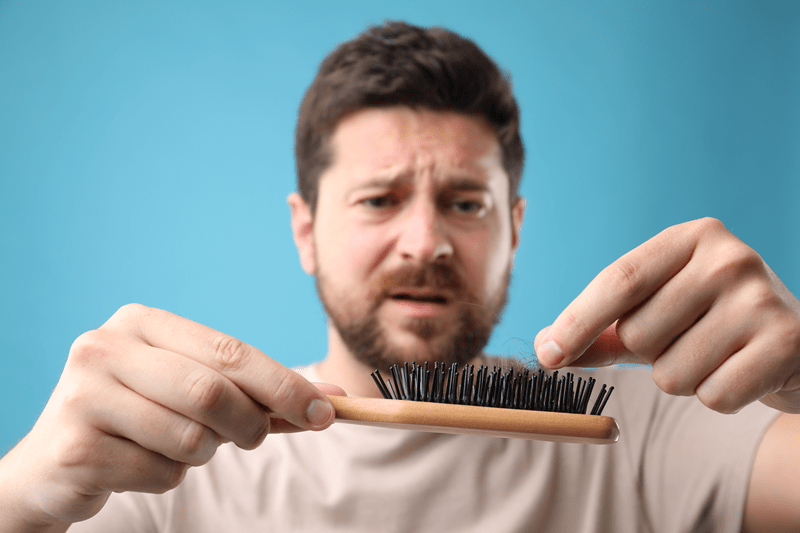
While genetics leads the list, other causes of balding also play a role. Some causes of hair thinning are temporary, while others contribute to genetic hair loss.
Common causes of balding include
Causes of balding often work together. For example, stress may accelerate hair loss in individuals already prone to male pattern baldness. What this really means is hair loss rarely has just one trigger.
Hair thinning reasons are sometimes tied to daily habits. These factors do not always cause permanent loss, but they can exacerbate hair loss in men.
Lifestyle-related hair thinning reasons include
Hair needs nutrients and oxygen to grow. When lifestyle choices block those needs, hair growth slows. Improving habits may not stop genetic hair loss, but it can slow thinning and support scalp health.
Stress does not directly cause male pattern baldness, but it can trigger shedding. Under stress, hair follicles may enter a resting phase early. This leads to noticeable hair fall months later.
Stress-related hair loss often looks different. Hair thins evenly across the scalp rather than in patterns. In many cases, hair regrows once stress levels return to normal. Stress management supports overall hair health and reduces unnecessary shedding.
Hair loss in men progresses at different speeds. Some men notice small changes over the years, while others experience rapid thinning in a short time.
Factors that affect speed include
Fast progression is often linked with strong male pattern baldness genes. Slow progression may still lead to thinning, but it takes longer to become visible.
Not all hair loss indicates male pattern baldness. There are several reasons, other than genetic, that cause thinning of hair in some individuals.
Some of these are
If hair loss looks unusual (i.e., if it is sudden, patchy, or associated with any degree of itching), you need to be evaluated by a professional to rule out non-genetic causes of baldness. Once you identify and treat the underlying issue, you may have a higher likelihood that hair will grow back.
It is best to address male hair loss in its early stages. Many options are no longer available after waiting until it's too late to act. Initial efforts to stop hair from falling out and to protect the hair that still exists.
Early actions to help are
Aspects of professional care include medical treatment or lifestyle changes based on the reasons for thinning hair. Since each man's hair loss situation is unique, personalized care is necessary for successful treatment; no one treatment works for all men.
Hair loss affects more than appearance. Confidence often takes a hit, mainly when changes occur at a young age. Feeling frustrated or worried is an ordinary and everyday experience.
Talking openly about hair loss in men reduces stigma. Many men experience the same issue, even if they hide it. Support and accurate information make a real difference.
Hair loss in men often begins quietly through genetic hair loss, male pattern baldness, or other reasons for hair thinning. Spotting early signs of hair loss helps guide better choices. Understanding the causes of balding and acting early supports healthier outcomes and greater confidence over time.
It can begin anytime after puberty, but for many, the first signs become noticeable in their late 20s to early 30s. By age 50, over half of all men experience some degree of appreciable hair loss.
Usually, no. Hair loss from severe stress, called telogen effluvium, is most often temporary. Once the stress is managed, your hair typically begins to grow back, usually within 6 to 9 months. However, chronic stress can exacerbate genetic hair loss.
Shampoos alone cannot stop genetic balding. Shampoos with ingredients like ketoconazole may help reduce scalp inflammation and create a healthier environment for hair, potentially supporting other treatments. But they are not a standalone solution for male pattern baldness.
Not necessarily. While family history is a strong indicator, the genetics for hair loss are complex. You can inherit the tendency from either parent, so look at your maternal grandfather, your father, and your uncles to get a broader picture of your possible risk.
This content was created by AI