

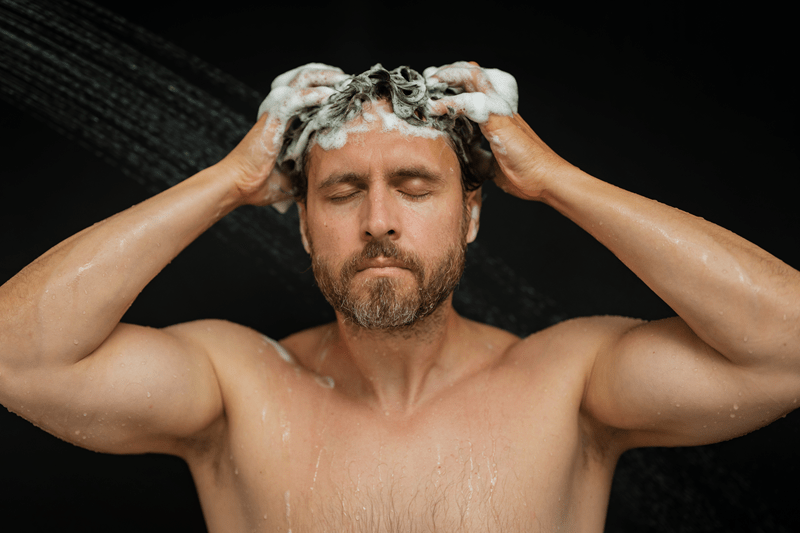
Hair gets dirty faster than people think, but washing it too much can cause trouble, too. "How often to wash hair" is one of the most frequently searched hair care questions because the advice often feels confusing and incorrect. Some say wash daily, while others recommend waiting a week.
Hair washing is like a balancing act; with so many different factors, washing your hair too often can cause it to become brittle or dry due to the excess oil removed from the scalp. Conversely, if you go too long without washing your hair, it may become oily or dirty and could eventually be damaged. To summarize: you need to find that fine line between washing too often and not washing enough. Here's how to do this!
The frequency and timing of washing your hair play a significant role in the condition of your scalp and the strength of your hair. Additionally, washing your hair reduces the amount of natural oil on your scalp, known as sebum, which protects your hair from damage and keeps it soft. By cleaning your hair too frequently, you are removing that natural oil from your scalp. The opposite happens when you do not wash it frequently enough, causing an abundance of oil to accumulate on your scalp and blocking the follicles, making your hair look flat and dull.
Finding the correct amount of shampoo to use will help prevent over-washing and damaging your hair, keep your scalp calm, relieve itching and discomfort, and promote healthy growth and shine. There is no perfect answer that fits everyone, but it provides a great starting point for finding what works best for you.
How Often to Wash Hair begins with understanding your scalp type. Scalp oil production controls most washing needs. Ignoring this leads to dryness or greasiness that never feels right.
The frequency of hair washing should be adjusted when the scalp changes due to weather, stress, or health conditions.
Hair texture plays a significant role in determining how often to wash hair. Oil moves differently through straight hair compared to curls or coils.
Straight hair
Wavy hair
Curly and coily hair
Hair washing frequency should match how hair behaves, not just how it looks on the first day.
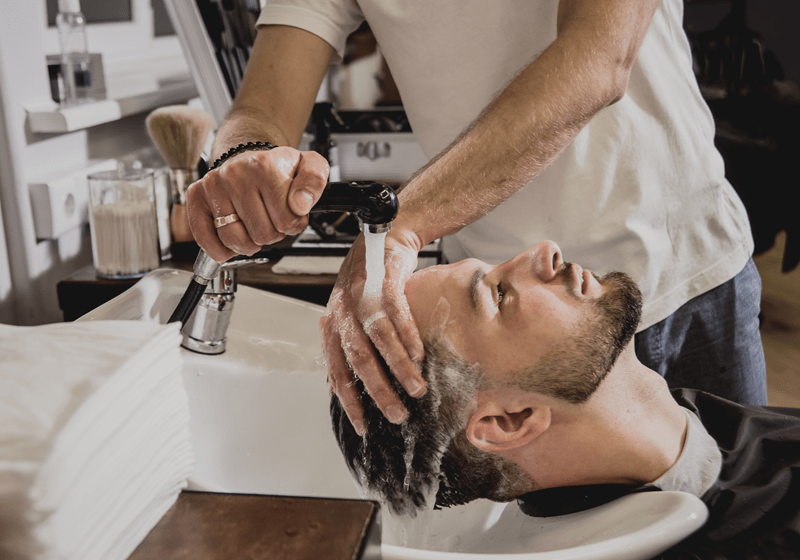
The impact of your daily shampoo will vary based on the type of shampoo you're using and the overall health of your scalp. Daily shampooing may not be a bad idea; however, using harsher chemical formulations on your hair could present some problems.
Here are some examples of the effects of daily shampooing:
By using gentler shampoos, you can help mitigate the daily effects of shampooing your hair. Additionally, there may be many reasons for needing to shampoo every day (excessive perspiration, high-stress job, high levels of physical activity), so if you're one of those people, picking the right product may matter more than whether you're shampooing daily or not.
Overwashing hair damage does not happen overnight. It builds slowly and is often overlooked.
Common signs include
Overwashing hair damage weakens the protective barrier of the scalp. Once that barrier is disrupted, hair becomes more complicated to manage. Reducing frequency slowly helps the scalp adjust.
A proper washing schedule is personal, flexible, and realistic. It should fit a lifestyle, not fight it.
Steps to build a proper washing schedule
A proper washing schedule may change with the seasons. Summer sweat increases washing needs. Winter dryness may require fewer washes. Listening to the scalp matters more than following trends.
Hair washing frequency often increases with physical activity. Sweat mixes with oil and dirt, which can irritate the scalp if left too long.
People who exercise daily may need
Lifestyle factors, such as pollution, humidity, and work environment, also affect how often to wash hair. City pollution sticks to hair and scalp, making washing more critical.
A good hair care routine doesn't end with shampoo. What happens between washes matters as much.
Helpful habits include
A balanced hair care routine supports healthy hair even with fewer washes. Skipping care between washes often leads to buildup, which we compound.
Many myths confuse people about how often to wash their hair. Let's clear a few up.
Understanding the facts helps avoid both overwashing and hair damage simultaneously.
Hair and scalp change over time. Hormones, age, stress, and health conditions all affect oil production.
Signs it may be time to adjust hair washing frequency
A flexible, proper washing schedule adapts to these changes rather than remaining rigid.
The frequency of washing your hair is determined by several factors: the oiliness of your scalp, your hair type, and how often you wash your hair each day. Finding the correct balance of washing your hair will help reduce the frequency of overwashing, which can lead to damage and product buildup. Building a regular hair-washing schedule, combined with a basic hair care routine, will keep your hair clean, healthy, and comfortable (within reason) for an extended period.
Aim for every other day with a gentle, volumizing shampoo. A clean scalp is essential for hair health, but avoid harsh daily washing, as this can stress fine strands.
A "water-only" wash can refresh hair between shampoos by rinsing away some surface dirt. But it won't remove oils or product buildup over time.
Not really. Hair growth happens at the root, under the scalp. While less washing can prevent breakage and make hair appear longer, it doesn't affect the actual growth rate from the follicle.
Start by adding one extra day between washes. Use dry shampoo on day two to absorb oil. Gradually increase the gap over several weeks as your scalp adjusts its oil output.
This content was created by AI