

Hair loss rarely starts with drama. It usually creeps in quietly, strand by strand, until one morning the mirror feels a little less friendly. This guide is about noticing those early whispers and acting before thinning becomes the headline. We’ll talk about habits you might overlook, simple shifts that protect hair follicles, and realistic ways of stopping hair fall early without turning your life upside down. From preventive hair care to early intervention tips, this article connects the dots between daily routines, biology, and timing. If you’ve ever wondered whether it’s too soon to worry, honestly, that’s usually the perfect moment to start.
Most people wait for visible thinning before paying attention. That delay is where problems grow. Hair Loss Prevention works best when it begins before panic ever sets in, when follicles are still responsive and resilient.
A few extra hairs on your pillow. A shower drain that clogs faster than it used to. A ponytail that feels slimmer. These signs don’t scream trouble, but they whisper it. You know what? Those whispers matter. Hair grows in cycles, and when shedding speeds up early, it often means follicles are under quiet stress. Catching that phase makes stopping hair fall early far more realistic.
Once follicles shrink too much, recovery becomes harder. Early care keeps them active and nourished. Think of it like maintaining a lawn. Water it early, and the grass stays green. Ignore it, and you’re dealing with patches. Hair works much the same way, even if it doesn’t feel that simple.
Here’s the thing. Hair loss rarely has one villain. It’s usually a crowd of small habits adding up over time.
Stress gets blamed for everything, but in this case, it earns some of that reputation. Chronic stress shifts hormones, nudging hair into shedding mode. Poor sleep adds fuel. Late nights, endless screens, skipped meals. They all pile on. Protecting hair follicles sometimes starts with protecting your nervous system. That might mean shorter workdays when possible or simply putting your phone down before midnight. Small moves count.
You don’t need a perfect diet, but gaps matter. Low iron, insufficient protein, and missing micronutrients can quietly slow hair growth. Many Americans rely on quick meals that fill you up but don’t nourish follicles. Adding eggs, leafy greens, nuts, or even a basic multivitamin can support preventive hair care without turning food into a full-time job.
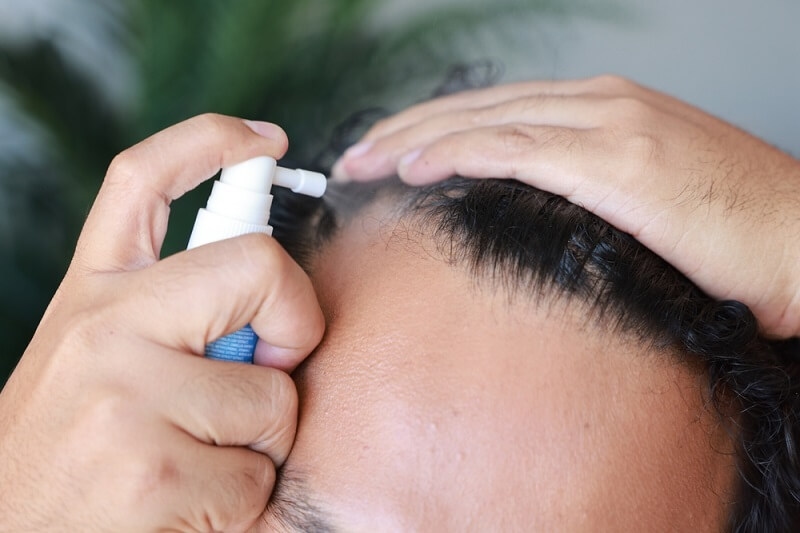
Hair care isn’t just about shine. It’s about what reaches the scalp and stays there long enough to help.
A healthy scalp is living tissue. Treating it gently keeps follicles open and responsive. Overwashing strips natural oils, while underwashing allows buildup to suffocate roots. Most people land somewhere in the middle, washing two to four times a week. Massaging the scalp during washing boosts blood flow. It sounds small, but honestly, consistency beats intensity here.
Product aisles can feel overwhelming. Here’s a calmer approach. Look for shampoos labeled for thinning hair or scalp health. Brands like Nioxin, Dove Dermacare, or Nutrafol often focus on balance rather than harsh cleansing. Avoid heavy sulfates if your hair feels brittle. You don’t need ten products. Two or three that suit your scalp usually do more than a crowded shelf.
Frequent blow-drying, straightening, or chemical treatments can weaken hair at the root. Even if styling is part of your daily routine, using lower heat settings and protective serums reduces strain on follicles. Early preventive care means giving your strands a break before damage accumulates.
Routines fail when they feel like chores. The goal is something simple enough to repeat even on busy weeks.
Once a week, notice shedding levels. Not obsessively, just awareness. Monthly, reassess how your hair feels. Is it breaking less? Does your scalp itch less? This light monitoring supports Hair Loss Prevention without anxiety. Think of it as a casual check rather than a medical exam.
A short routine might include
Simple lists tend to stick better than rigid rules.
Here’s a mild contradiction. Sometimes doing less helps more. If hair fall increases after adding new products, pause and reset. Hair responds slowly, so give changes eight to twelve weeks. Adjust gradually rather than stacking solutions all at once.
Waiting until hair loss becomes obvious often limits options. Acting early opens doors.
Dermatologists see patterns early. A simple scalp exam or blood test can reveal issues long before visible thinning. Many clinics across the US now offer virtual consults, making early intervention tips easier to access. Medications or supplements work better when follicles are still active, not exhausted.
Laser caps, topical treatments, and microneedling often get dismissed as gimmicks. Used early, some show promise. Used late, they disappoint. Timing again matters. If you’re curious, talk to a professional before buying expensive tools. That step alone saves frustration.
Small changes in diet, sleep, and stress management can make a measurable difference. Reducing processed foods, staying hydrated, and getting enough rest all help maintain healthy follicles. Early adjustments can complement professional treatments and boost overall results.
Keep track of hair thickness, shedding levels, and scalp condition with photos or notes every few weeks. Documenting progress helps you notice subtle changes before they become significant. This simple habit ensures real data, not guesswork, guide your early intervention efforts.
Hair loss doesn’t usually arrive overnight, and prevention doesn’t require perfection. It asks for attention, timing, and a little patience. Stopping hair fall early means listening to subtle changes and responding with care rather than fear. Preventive hair care, lifestyle shifts, and early intervention tips work together, not separately. Honestly, the best time to start was yesterday. The second-best time is when you notice the question forming in your mind. That’s usually your cue.
As soon as shedding feels different or hair texture changes. Early action supports better outcomes.
Stress rarely acts alone, but it often triggers shedding when combined with sleep or diet issues.
Most people notice changes in eight to twelve weeks if routines stay consistent.
Not always, but early evaluations can uncover issues that home care might miss.
This content was created by AI