

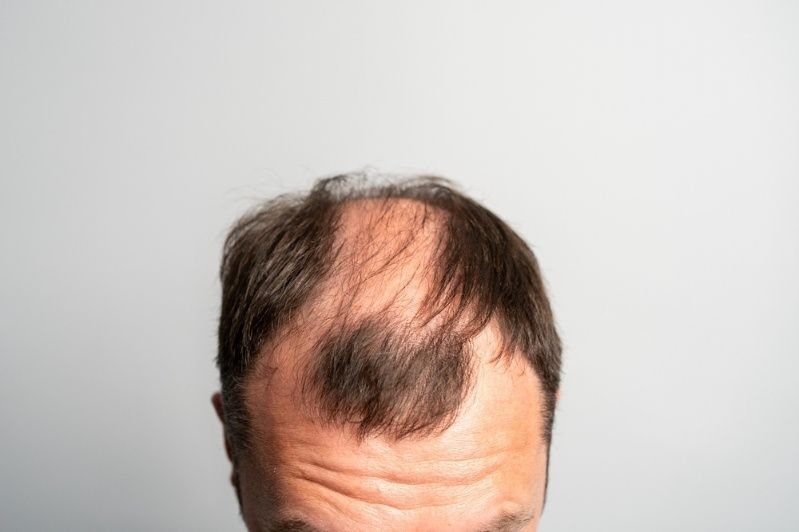
Thinning over the entire scalp is more commonly referred to as “diffuse thinning” and is generally a result of overall thinning of the scalp as opposed to a concentrated patch of hair loss. Although it is a widespread problem and harder to detect, most sufferers don't recognize it until after noticing less hair on their scalp and fewer locks of hair when it's being washed and brushed.
It is important to know more about the signs and best treatment options for diffuse thinning before the condition gets any worse.
Diffuse thinning is defined as hair loss spread across the entire scalp. This type of diffuse hair loss can occur in both men and women and may occur as a result of stress, hormones, malnutrition, genetics, or underlying medical conditions.
Our hair goes through three growth phases: the growth stage, the resting stage, and the shedding stage. If something has interfered with the hair growth cycle, this could result in an increased amount of hair being in the shedding stage at one time. When there is more shedding, the overall density of the hair reduces, and it begins to become noticeable on the scalp.
Most people with diffuse thinning will notice that they no longer have as large a ponytail as before, that their hair seems flatter, and that it may become more difficult to style. Due to the gradual nature of diffuse hair loss, people rarely notice until something feels different about their hair growth cycle. It may not be possible to protect the hair follicles at the time of suffering hair loss and to promote hair regrowth.
Typically, hair loss linked with diffuse thinning will appear first as excessive shedding. This may manifest as an increased amount of hair on the pillows, in the drain, or trapped in hairbrushes when it has been styled or washed. While daily shedding of hair is normal, persistent increased shedding may point to diffuse hair loss.
Loss of density is also common with diffuse thinning. Hair may feel thinner and weaker than it usually does. The scalp can be seen more easily under light, particularly where hair naturally parts at the crown of the head or the center.
Thinning hair can feel weaker and more susceptible to breakage. Some people may also notice a slower pace of hair regrowth. Unlike in cases of patchy hair loss, this affects the whole scalp; the change seems to be gradual instead of drastic.
Diffuse thinning can occur for a range of reasons. It is usually a combination of the factors mentioned below that triggers it.
One of the most frequent causes of hair loss is stress. Major events in life or psychological pressure can affect the normal hair cycle, forcing the hair follicles into the resting phase too early. The strands of hair would then start to shed a few months down the line. High levels of stress over long periods can also cause the hair follicles to be much weaker, and this will have negative implications for regrowth.
Hair needs nutrients in order to grow strong hair shafts. Nutritional deficiencies of, for example, iron, zinc, protein, vitamin D, and biotin may also play a role in the development of diffuse thinning. Sudden weight loss or being on a highly restrictive diet can negatively impact scalp hair growth.
Good quality meals with enough lean proteins, vegetables, healthy fats, and nuts can contribute to strong and thick hair growth, and improving nutrition may be an essential component of hair thinning treatments.
Another reason for hair loss, which may manifest in diffuse form, is hormone imbalances. These may be related to events such as pregnancy, menopause, and some disease states. A possible link can be drawn between pregnancy and hair loss, as hormones tend to be in a state of flux in the postpartum period, and hair can be shed further, perhaps producing diffuse hair loss.
Associated with the above diffuse hair loss conditions, such as thyroid disease, anemia, and certain autoimmune and inflammatory diseases. Some blood pressure medications, antidepressant drugs, and acne drugs may also cause an increase in the level of hair shedding, and hair thinning solutions could treat these cases.
Low-level laser therapy can stimulate the scalp and promote hair regrowth by boosting the blood circulation to hair follicles. It has proven to be one of the best hair regrowth treatments that will make thinning hair less noticeable.
Sometimes doctors prescribe medicines that address hormonal factors and the genetic tendency towards diffuse thinning. The hair thinning treatment would help to reduce shedding and preserve what hair the individual currently has. Prescription hair treatments should only be taken with close medical supervision, as they can vary in results for people and produce side effects.
Maintaining good day-to-day habits can contribute significantly to hair regrowth. Brushing your hair less and being more careful with washing it can prevent unnecessary hair loss, as this will reduce any excessive stress being placed on the hair. It will also prevent breakage.
The scalp will benefit from a good diet, which consists of balanced meals and enough iron for better hair growth. Exercise will improve blood flow to the scalp, helping to increase the density of the hair follicles. Losing excess weight and making healthier lifestyle changes could have beneficial effects on the scalp.
Thinning of the scalp is often called diffuse hair thinning, and it can occur for a variety of reasons, such as hormonal factors, nutritional deficiencies, the influence of the immune system, and genetics. Nevertheless, the majority of cases of diffuse hair loss can be successfully reversed with proper treatment and scalp care. It can take some time, but if treatment is consistent and correctly prescribed for the individual person, a thicker and fuller growth of hair will return.
Yes, teenagers can get affected by diffuse thinning due to stress, poor nutrients, hormonal changes, or some medical conditions. Too many diets and a lack of nutrients are also common causes for teenagers. Medical attention from an early stage will allow you to determine the exact cause of the hair loss and also help prevent further hair loss and obtain healthy hair growth.
Diffuse hair loss does not necessarily mean that the hair loss is permanent, especially if the shedding is induced by things like illness, stress, or nutritional deficit; it may improve with the correction of the cause. If the thinning is due to genetic or hormonal causes, then long-term hair loss treatments are needed.
There is no evidence to suggest that overwashing causes hair thinning. It is due to loss and the visibility when you shampoo that most women tend to notice more loose hair strands during hair washing. It is either the rough brushing or the harshness of the shampoo that causes breakage of the hair.
The time needed to recover from the condition of diffuse hair loss depends on what has induced it and how the condition is being treated. Some people may experience noticeable hair loss within six months or so, while others may find full regrowth takes a bit longer, in about six to twelve months, but this varies from person to person.
This content was created by AI